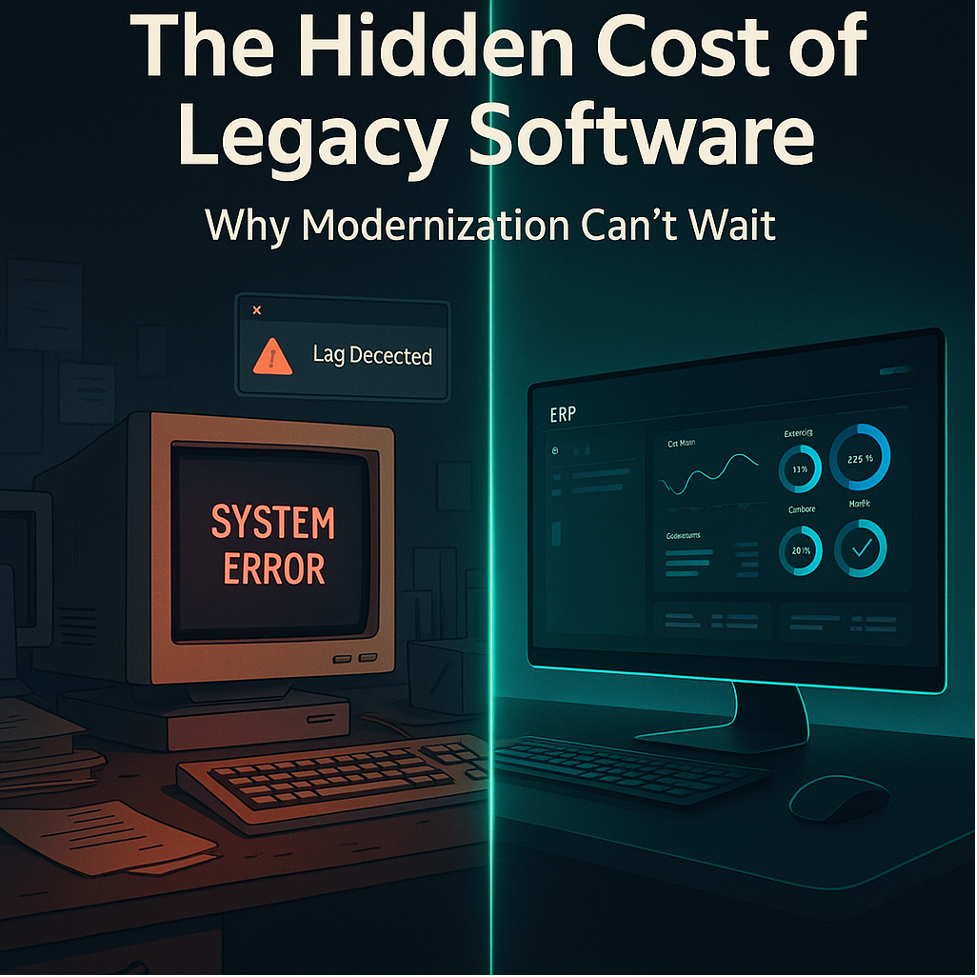
For years, leaders have delayed modernization under the illusion of “cost saving.” After all, if the software still works, why fix it? But what they don’t see is that legacy systems are not just old—they are actively expensive. They drain revenue, compromise security, and hold back innovation.
Legacy Software: The Illusion of Stability
Businesses often cling to legacy systems because they feel familiar and “proven.” But familiarity is not stability. Behind the façade of functioning operations lies mounting downtime, hidden IT costs, and inefficiencies that grow year after year.
Consider the maintenance cycle: each patch becomes harder to apply, each integration more fragile, and each compliance update more complex. The result? A system that may not break entirely, but continually slows progress. The true cost is measured in lost opportunities and declining competitiveness.

The Economics of Outdated Systems
What makes legacy software truly dangerous is that its costs are rarely visible upfront. They appear indirectly—missed appointments, billing errors, manual data entry, and compliance penalties.
- Downtime quietly drains revenue. A few hours of outage in a hospital, retail chain, or manufacturing unit can translate into significant losses.
- Manual effort consumes valuable talent. Instead of focusing on strategy, teams are buried in repetitive data work.
- Maintenance costs spiral. Vendors demand higher fees for outdated support, and in-house IT spends disproportionate time troubleshooting.
- Compliance becomes a gamble. As regulations evolve, outdated systems fall behind, leaving businesses exposed to fines and reputational damage.
This isn’t just inefficiency—it’s a slow erosion of profitability.
Security: The Risk You Can’t Afford
If hidden costs are concerning, security risks are existential. Legacy systems often lack modern safeguards—advanced encryption, access control, and automated updates.
The consequence? Payroll leaks, customer data breaches, and regulatory violations that don’t just damage finances—they damage trust. In a digital-first economy, where brand reputation is currency, one breach can undo decades of goodwill overnight.

Modernization as Strategy, Not Expense
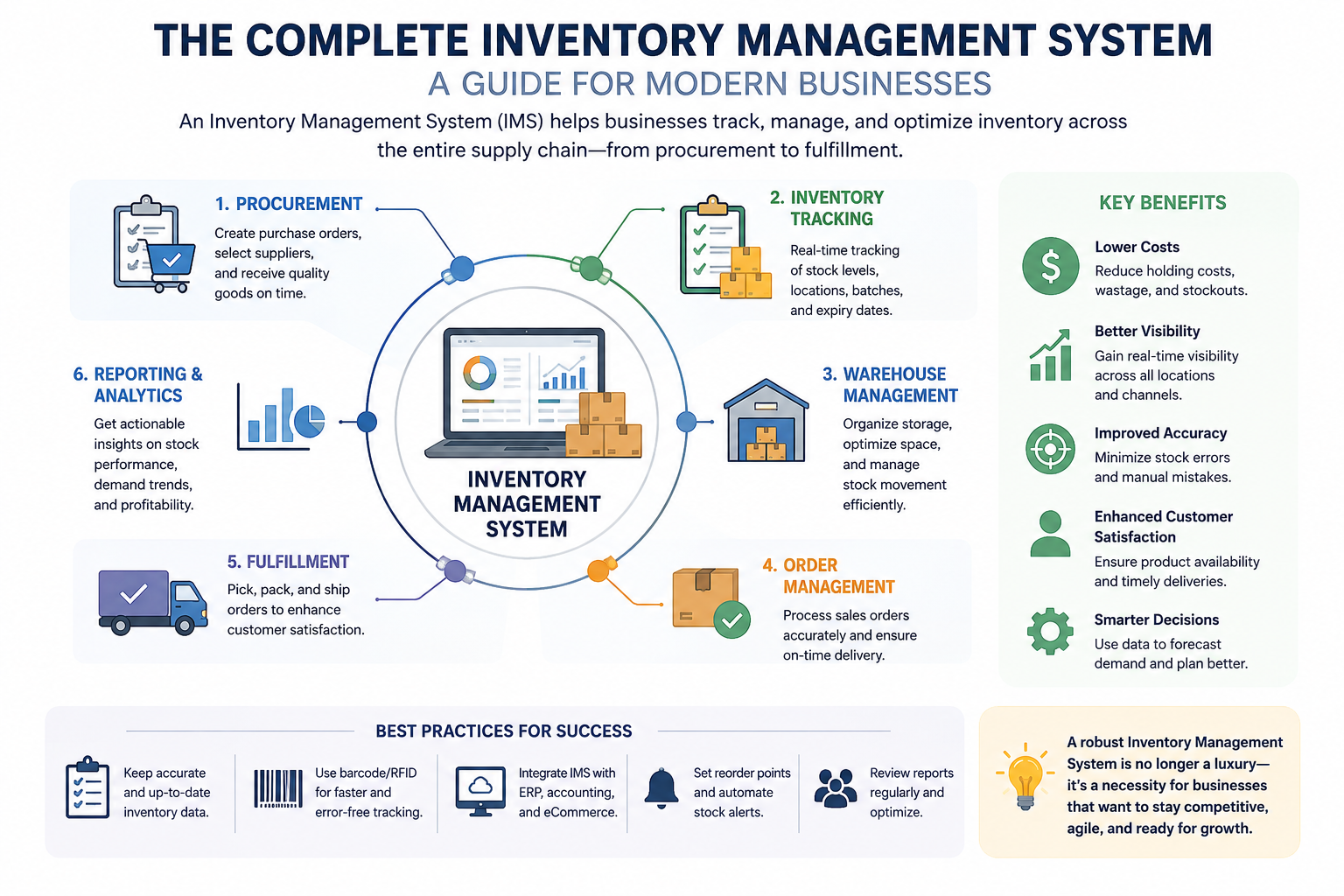
Modernization is not about replacing old software with new. It is about reimagining the way businesses operate. Cloud-based ERP platforms offer more than just upgrades; they provide a strategic edge:
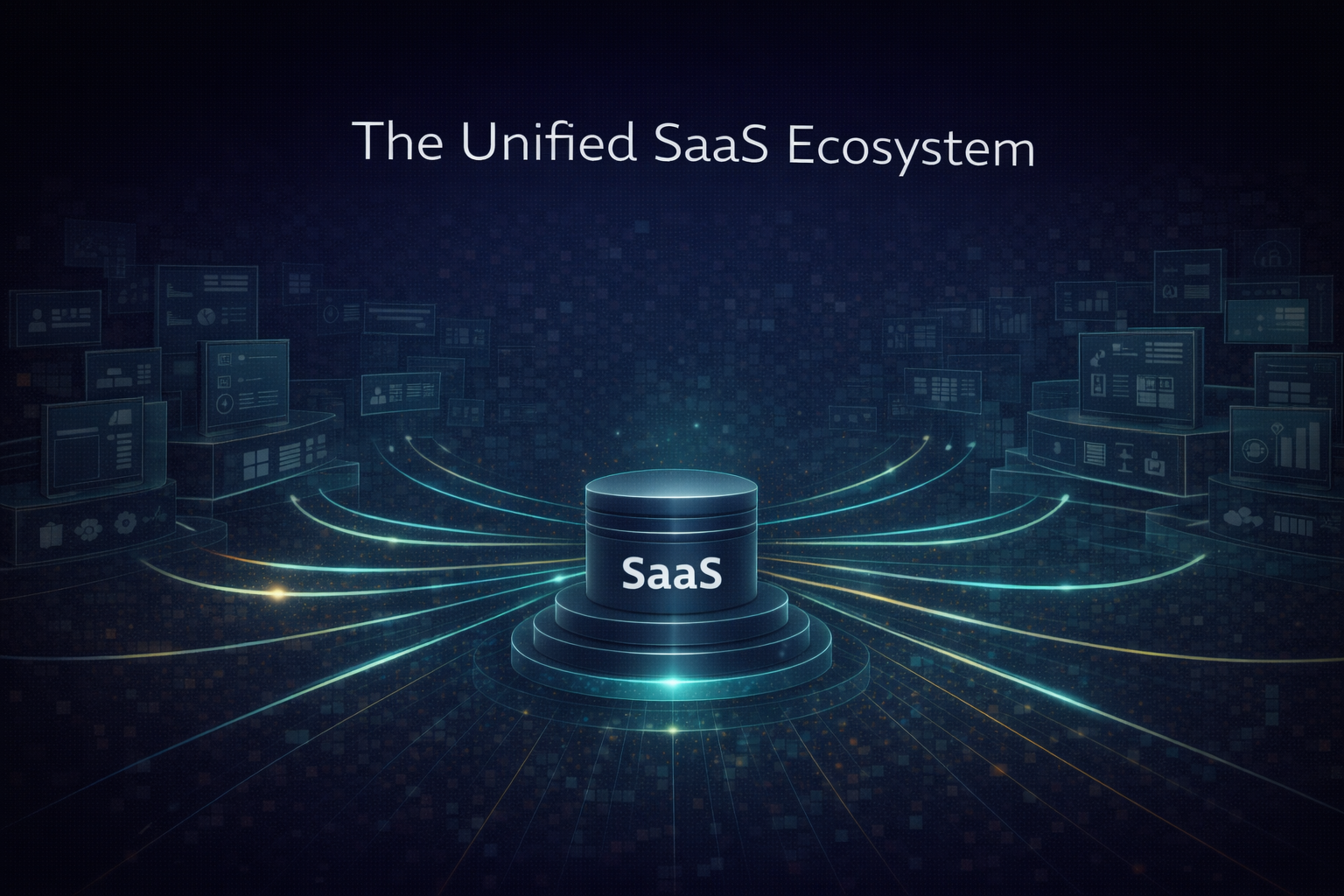
- Unification of payroll, CRM, inventory, and compliance into one system.
- Real-time decision-making powered by live dashboards.
- Anywhere accessibility through mobile integration.
- Future-proofing with regular updates, AI-driven insights, and scalability.
Unlike legacy software, modernization is not a sunk cost—it is an investment that pays back in efficiency, security, and agility.
The Hidden Cost of Waiting
Every month spent clinging to outdated systems is a month of lost opportunity. Competitors who modernize are not just keeping up—they are pulling ahead with faster operations, sharper insights, and stronger customer relationships.
The question is no longer if modernization is needed, but how long you can afford to wait.

Conclusion: From Liability to Leverage
Legacy software is more than outdated—it is a liability disguised as tradition. Modernization, especially with ERP solutions, transforms this liability into leverage. Businesses that embrace change don’t just save costs; they unlock growth, trust, and resilience.
The cost of inaction will always exceed the cost of transformation.
👉 Future-proof your business with Averiq Solutions.
Book your free ERP consultation today.